At the beginning of 2026, European countries must assess the state of intraspecific, or genetic, diversity of different species and populations – Europe’s invisible richness. In Estonia, the evaluation for approximately one hundred species will be led by Associate Professor in Macroecology and head of the Pollination Ecology Workgroup, Tsipe Aavik, together with Research Fellow in Landscape Genetics, Iris Reinula.
The UN Convention on Biological Diversity, of which Estonia is a party, has established several indicators for assessing biodiversity. Among these are indicators of genetic diversity, which provide insight into the genetic variation within different species and populations. To streamline these indicators, the GENOA project, funded by COST – Europe’s oldest cooperation program – has set up a working group whose members are leading the assessment in several European countries.
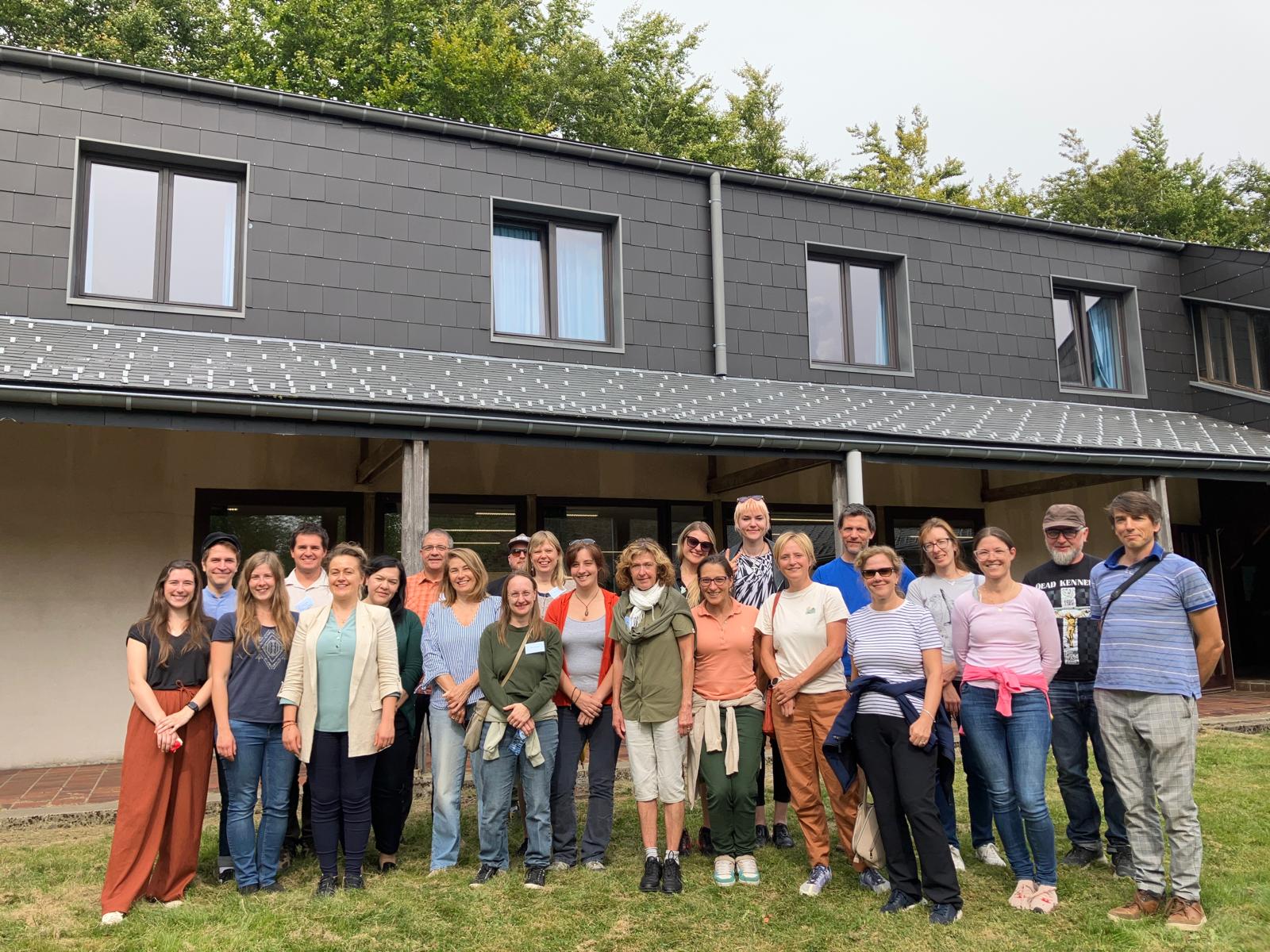
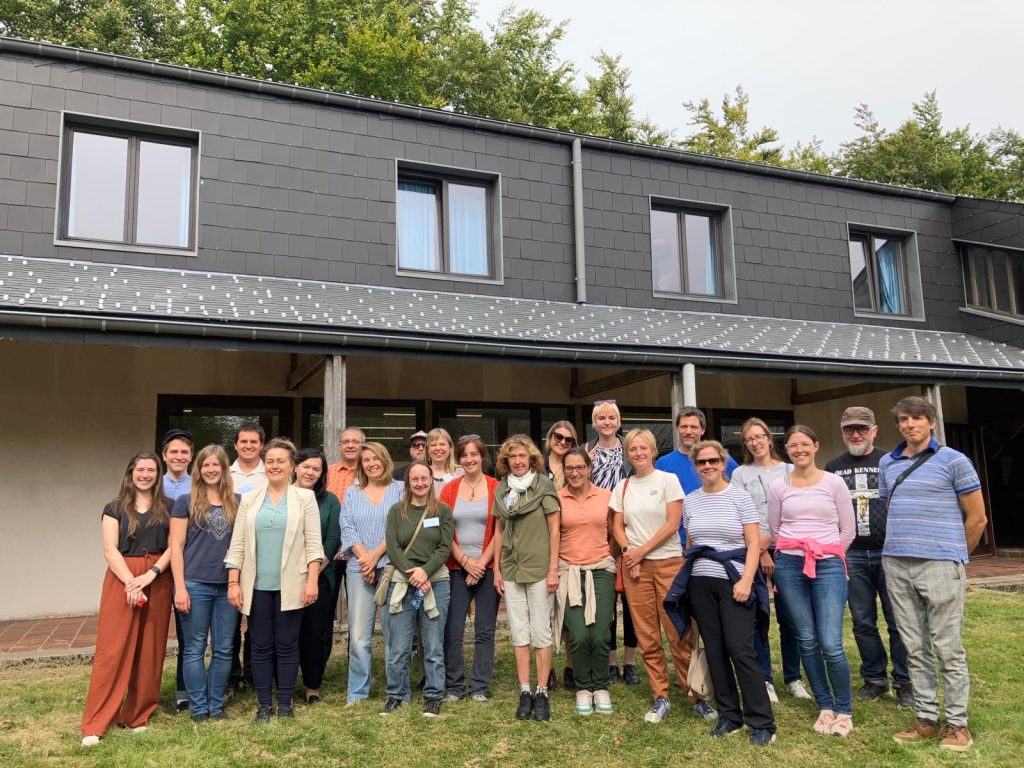
On 25–27 August, the group met in Belgium to thoroughly discuss the input form, propose improvements and recommendations, and agree on a unified approach for consolidating results. “Further collaboration will continue online until countries submit their results at the beginning of next year,” said Reinula, who represented Estonia at the meeting.
In Estonia, the Pollination Ecology Workgroup is collaborating on the genetic diversity assessment with the Ministry of Climate, the Environmental Agency, the Environmental Board, and other researchers.
Tsipe Aavik / tsipe.aavik@ut.ee / +372 516 1187